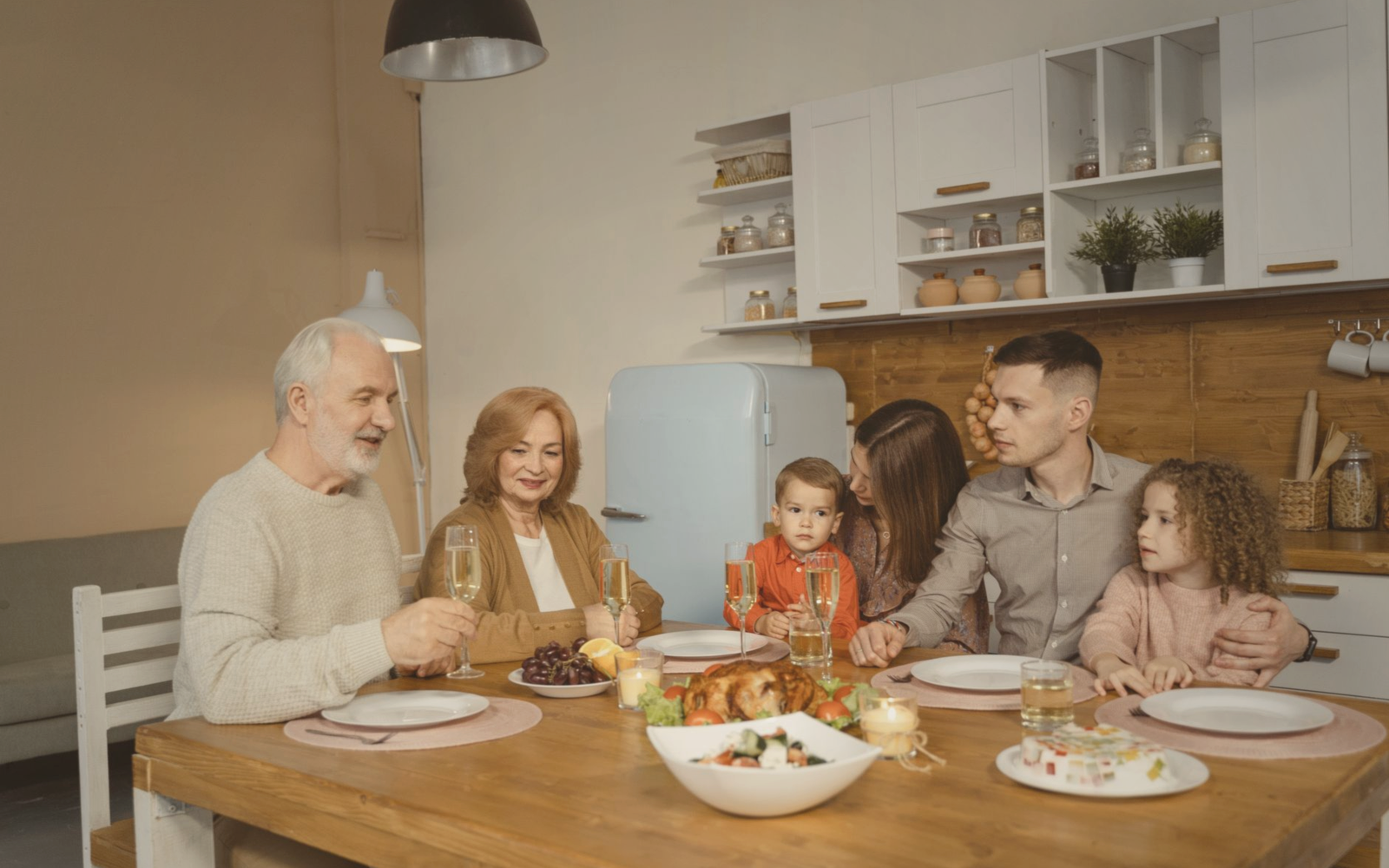
The Kitchen Timer That Taught Us How to Pause My mother used to set a small kitchen timer before dinner, even when the food was already ready. She would place it on the counter with the same hand that had just wiped the table. It was a cheap plastic timer, the kind that clicked too loudly, with a cracked orange button and a faint smell of old kitchen dust. When it rang, everyone stopped. Not because anything was urgent. Because the house had to remember how to breathe. On ordinary nights, the timer meant one thing: phones down, chairs pulled in, voices lowered. On hard nights, it meant something else. It meant the day was over. It meant we had reached the part where we could be together without trying to fix anything. My mother never said this out loud. She did not have to. The timer carried the message for her. Years later, after she was gone, my brother found it in the same corner of the counter, still facing the kitchen window. The batteries had long since died. The click was gone. But the habit had already settled into us. We still pause when we need to. We still say, almost without thinking, that we will sit down for five minutes before we do anything else. We still look at each other and know the room has changed shape. The strange thing about family objects is that they do not only hold memory. They teach the next generation how to keep a feeling alive. Memory Prompt Look around your home for the object that has quietly shaped your family’s rhythm. It might be a kettle, a ring dish, a calendar, or a pair of shoes by the door. What does it signal when it appears in the same place every day? What happens when it is gone? ---
8/3/2026