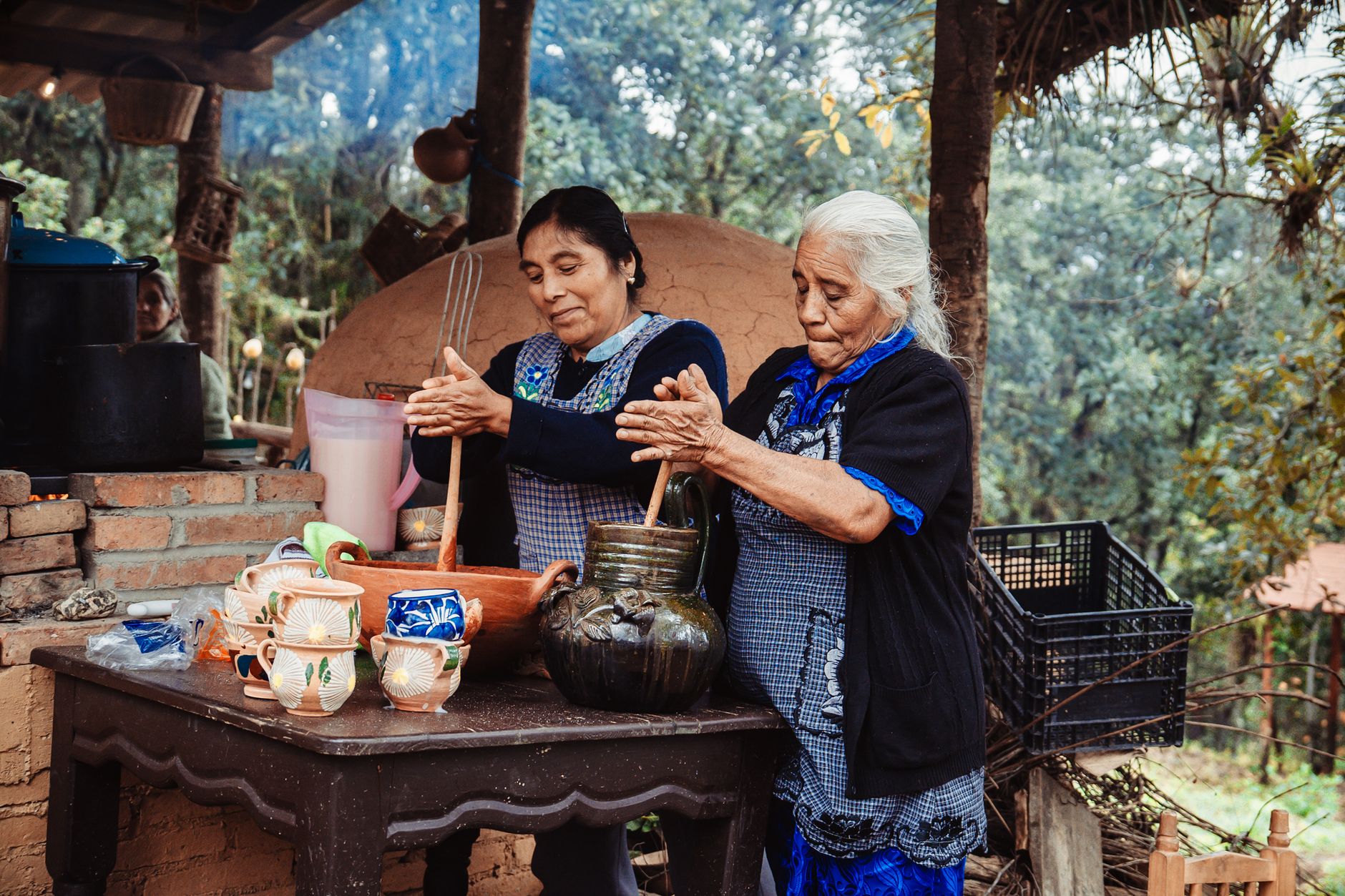
While They’re Still Here — A Small Thing That Keeps the Morning There was a cheap plastic timer on our counter: orange button cracked, the plastic a little sticky from years of flour and oil. My mother would set it without looking up, the same hand that had just wiped the table sliding the dial into place. It clicked with a sound that cut through the chatter the way a spoon cuts the surface of soup. When it rang, the room did something small and exact: phones faced down, cups set down, breath in. No announcement, no ceremony. Just a pause that was practical and tender at once — a minute to finish the bowl, a minute to show up. I used to think it was about timing food. Later I realized it was about timing us. The timer taught us the shape of togetherness: how to stop spinning long enough to notice a face, how to let an ordinary meal be the place where we could be close without explaining ourselves. Years later, after she was gone, my brother found that same timer, still facing the window as if waiting for the next ring. The batteries were dead; the plastic had dulled. There was no click, but the small ritual it carried was a habit by then — something we reached for in memory when the house felt too big. What family objects do, quietly, is teach: they pass along a way of being. You learn how to slow down from the things that were used to slow down. Try this Find the small object in your home that signals ‘pause’ — a kettle left to whistle, a chair pulled close to the table, a single light left on. Photograph it where it lives. Record thirty seconds of someone saying, in their own voice, what they do with it and why. Save both in a place your children can find in twenty years. ---
8/3/2026